Close


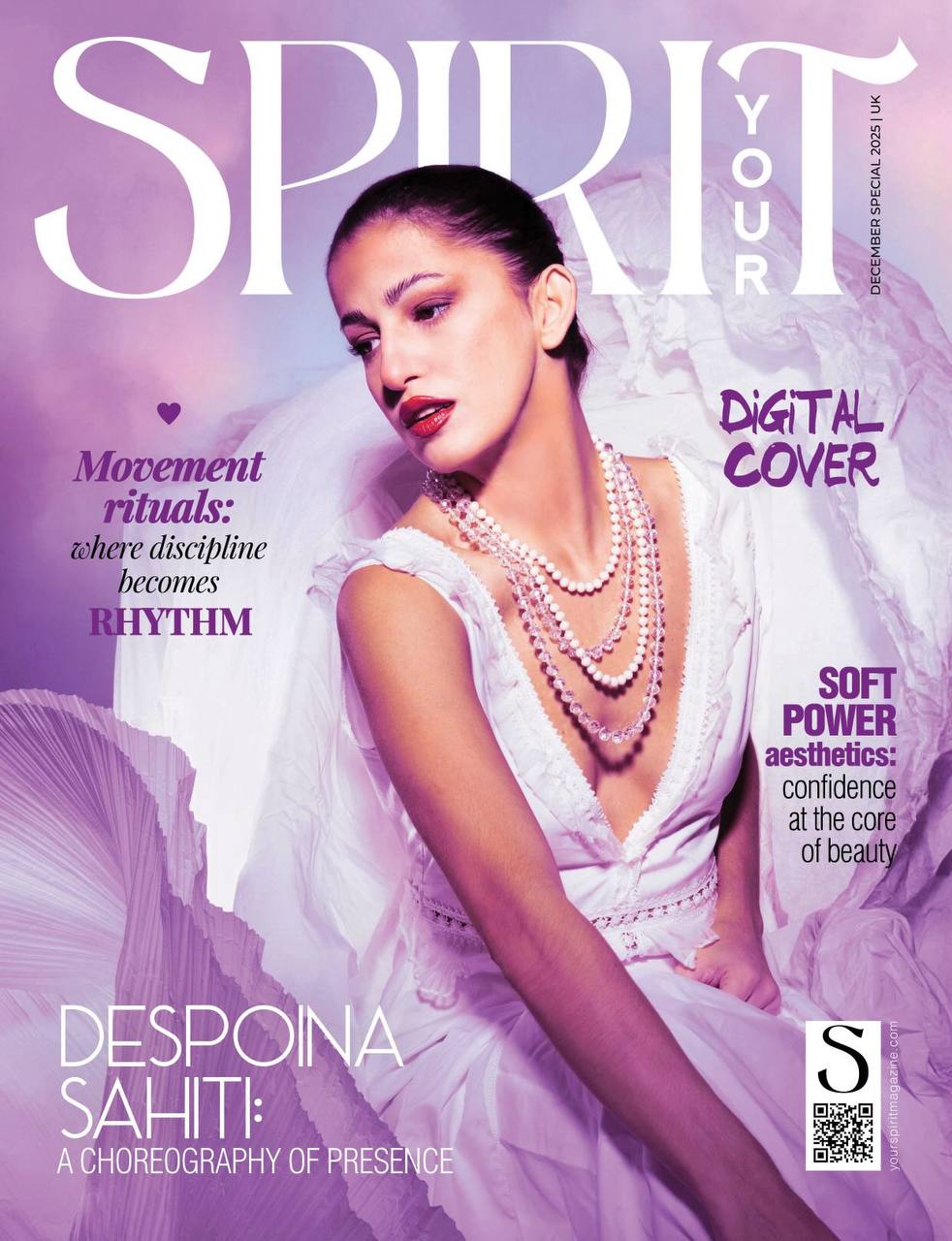
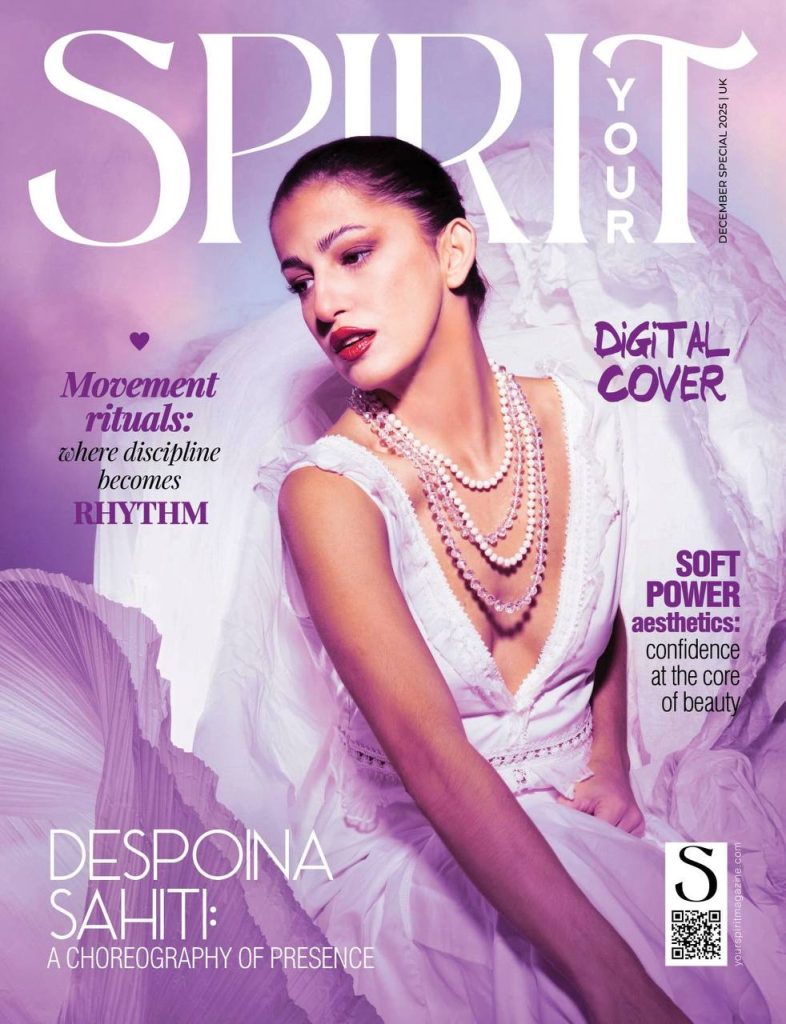
Despoina Sahiti works with movement the same way others work with structure: practically, precisely, without decoration. Space in her practice is never neutral — it is built, negotiated, sometimes physically reclaimed. Long before theatres and studios, there were streets, temporary rooms, and the daily need to adapt the body to what was available.
Born in Albania and raised in Greece, Sahiti grew up between languages and systems of belonging. That experience shaped her approach to choreography early on: movement as a response, not a display. Later, working across Europe, China, and California added discipline, scale, and contrast — but never replaced her focus on presence over performance.
Whether on stage or in the spaces she creates for others to gather, Sahiti treats movement as responsibility rather than expression. Her work resists polish, avoids symbolism, and insists on something more difficult: clarity, physical truth, and attention to what remains when nothing is staged.

Your work often transforms choreography into a kind of living architecture — how do you see the dialogue between movement and space unfolding in A Liar Man in Athens?
My relationship with space began a long time ago. I grew up in Spilia, a small village in Messinia, in the Peloponnese, where I danced in the streets because there was no stage. Later, while studying Civil Engineering in the city of Patras, I lived in a tiny room. There wasn’t even space to dance; every morning I dismantled my bed to rehearse, and every night I rebuilt it to sleep. I learned early that space is not something you’re given; it’s something you create.
Years later, on the Cycladic island of Kea, I asked for a space to teach dance. I wanted to offer something alive, something that brought people together. I waited for months with no answer. So I rented an old exhibition room and turned it into a studio myself. There was nothing easy about it — no heating, no mirrors, only faith. And slowly, people started coming: parents, children, locals who had never danced before. The island began to move differently. Some time later, the same people who had refused me the space gave opportunities to others to teach dance. And for me, that was a small victory. Because it was never about ego; it was about offering something meaningful. If a place changes, even after you’re gone, then you did what you were meant to do.
A Liar Man was born from the same instinct: to give space to whatever has a soul. It is not just a café–cocktail bar. It’s a stage without a stage, a space that shifts every night, just like dance does. A place that, like me, moves between sounds, glances, and stories. And yes, sometimes I still move the furniture so we can all fit (laughing).
When you choreograph, do you begin from an emotion, a rhythm, or an idea of identity — and how do these starting points shift from one project to another?
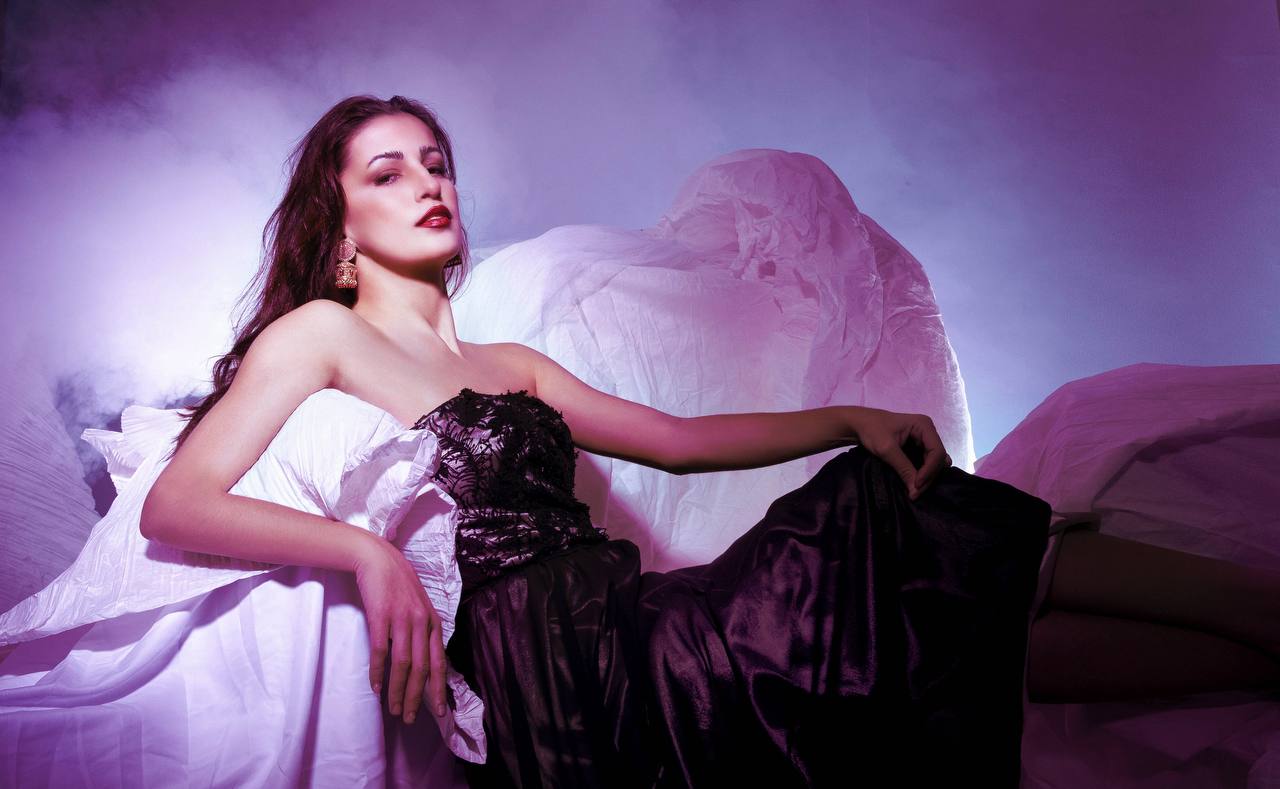
Movement always starts from something that can’t stay inside me. It might be an emotion, a sound, a memory — something that needs to come out. I remember the lockdown period, when everything felt frozen. I stepped onto my balcony and danced a traditional Greek duet alone, because “together” wasn’t allowed. The emotion was extreme — a moment of loneliness that turned into freedom. The video went viral, reached thousands of people, and even made it to television. Maybe because in that silence, people saw something they had forgotten: the need to connect.
I never had the chance to thank the page “Rizes mas,” who shared that video and gave space to what I love. So I’ll say it now: thank you. (And if you want to discover the real Greece, you should follow them too <3.)
In a world where everything is performed, how do you preserve authenticity — both in your art and in yourself as a creator?
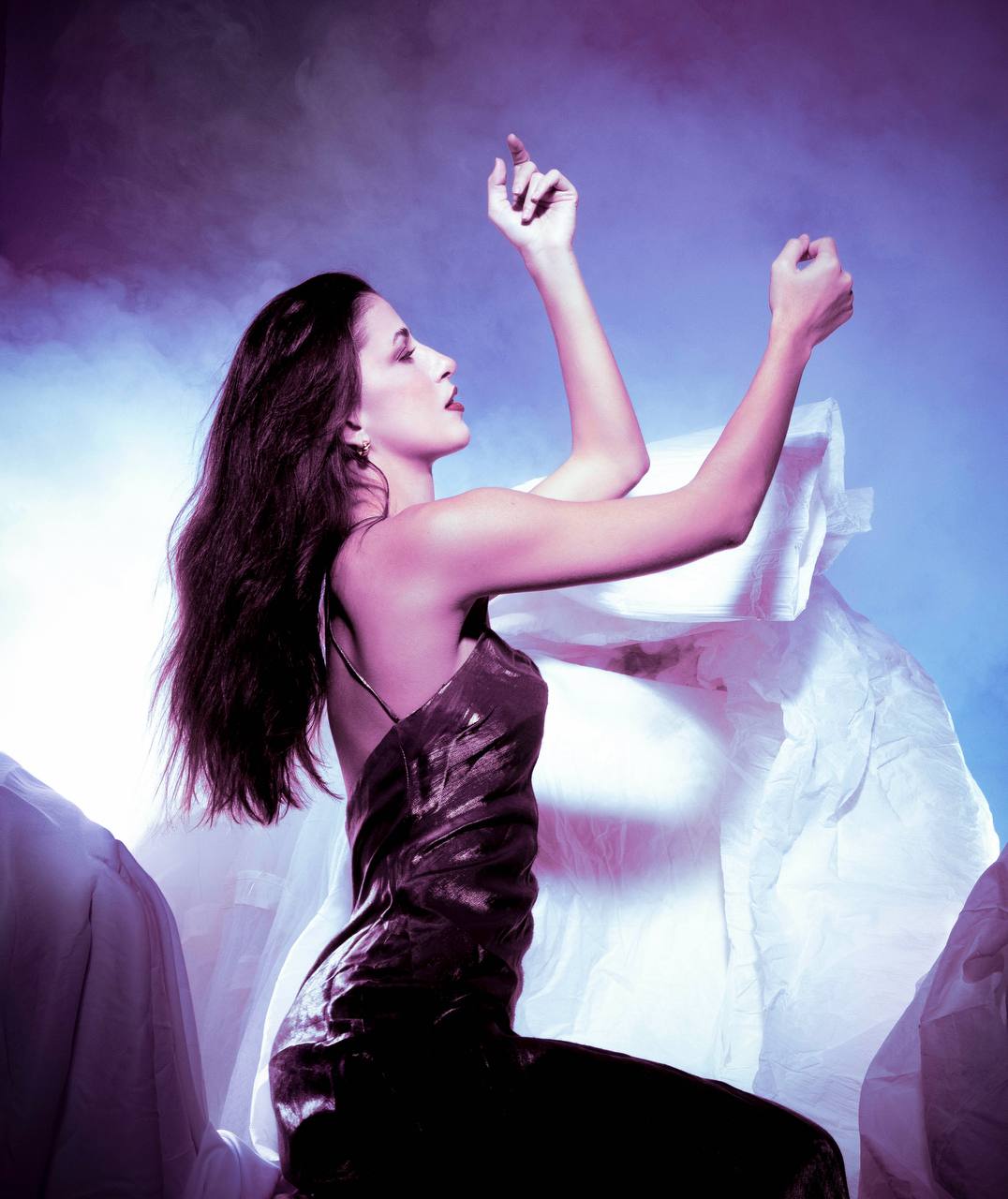
Authenticity is not something you hold on to. It’s something you remember. When things become too polished or too pretty, I try to return to where everything started — to sweat, to the body, to the need.I don’t believe in perfection; I believe in truth. And truth has flaws, fear, silence. If something has no soul, it has no rhythm. And without rhythm, there is no life.

You’ve worked across continents — China, California, Europe. How has each cultural landscape influenced the way you shape or perceive movement?
Maybe it began long before I travelled. I was born in Albania and raised in Greece, always between languages, identities, and worlds. That in-between space became my first choreography. It taught me how to listen.
When I began working abroad, every country I worked in changed me — not softly, but deeply. I didn’t leave Greece chasing glamour; I left chasing truth. In Europe, I learned professionalism. In China, I learned discipline. In California, I learned the courage to dream bigger. And in all these places, I had to prove myself again and again.
As a woman choreographer, you walk into rooms where they expect you to direct bodies, not ideas. But I never cared about teaching steps. I cared about shaping presence, energy, identity.
I come from a family of strong women — five sisters and a mother who lead with quiet power. But I also come from men who understand strength differently. My father and my brother taught me that real masculinity is never afraid of female power; it protects it, it believes in it. That’s why I’ve never seen gender as competition, but as balance. When women rise, the world doesn’t lose its men; it finds its humanity. That’s the rhythm I try to keep — not louder, just truer.

What does “beauty through movement” mean to you today — after years of exploring bodies, spaces, and truths through dance?
Beauty, for me, has nothing to do with appearance. It is what remains when everything unnecessary falls away, when a gesture is stripped of style, when a face forgets to pose, and only truth is left moving.
I’ve learned that movement doesn’t need music or lights. It needs honesty. It needs a body willing to remember where it came from, and a heart brave enough to keep changing shape. Maybe that’s why Liar Man in Athens exists — it’s not a place built for perfection, but for presence. A space where you can fall apart and still be seen as beautiful.
After all these years, I think beauty is what happens when strength stops pretending to be hard, and kindness dares to take up space. That’s the choreography I’m still learning.